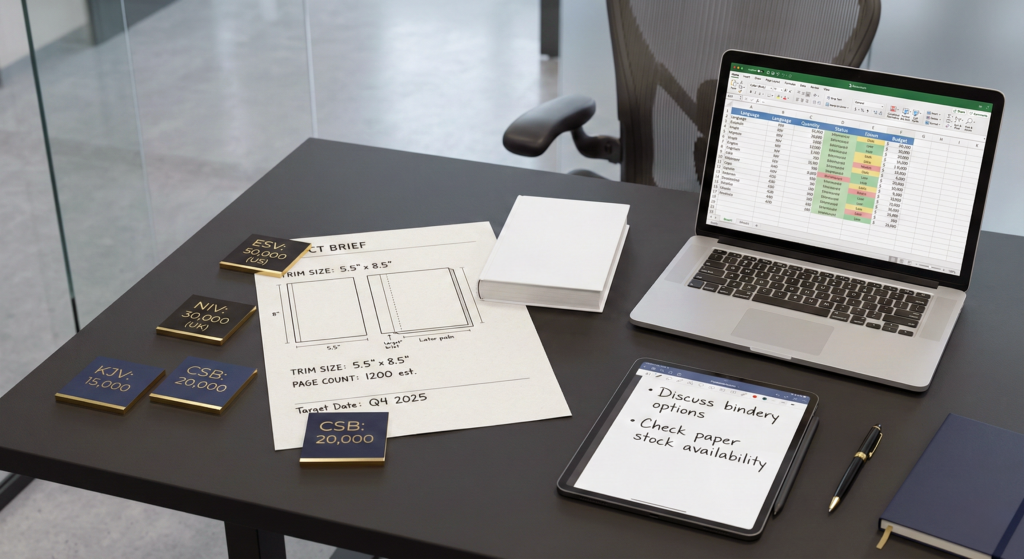
From Understanding to Delivery
— A Stewardship-First Process
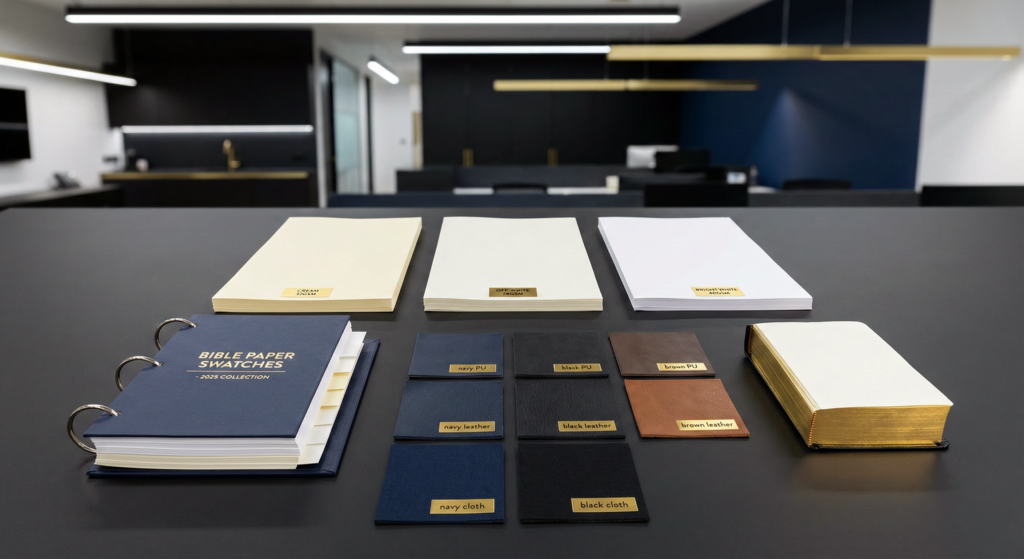
Paper Criteria
GSM: 28–40 gsm for Bibles; higher for books/magazines
Opacity & brightness: minimize show-through, improve legibility
Shade/discoloration: consistent hue, archival quality
Strength/run-ability: reliable on high-speed presses, less waste
Types: leather, PU, paper-over-board, cloth, alternatives
Evaluated for grain, tear strength, embossing, and finish compatibility
Outcome – A materials plan that matches paper and cover choices to budget
and quality needs.
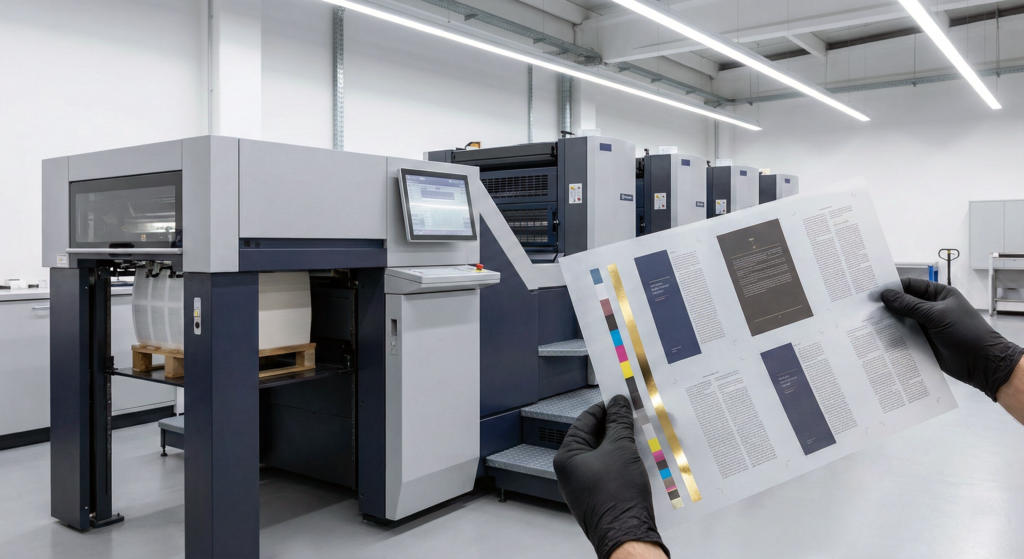
Press: Select type/color (1/1, 2/2, 4/4); set registration and ink drying for thin stock.
Signature: Minimize paper waste across languages; plan pagination efficiently.
Binding: Choose from Smyth sewing, PUR/EVA, or saddle-stitch; control spine and casing tolerances.
QC: Conduct proofing, color bar checks, and verify density and pagination.
Outcome – Production schedule, proofs, and QC checkpoints tailored for thin paper and multilingual editions.
Packaging: shrink-wrap, corner protection, moisture barriers, bundled magazines.
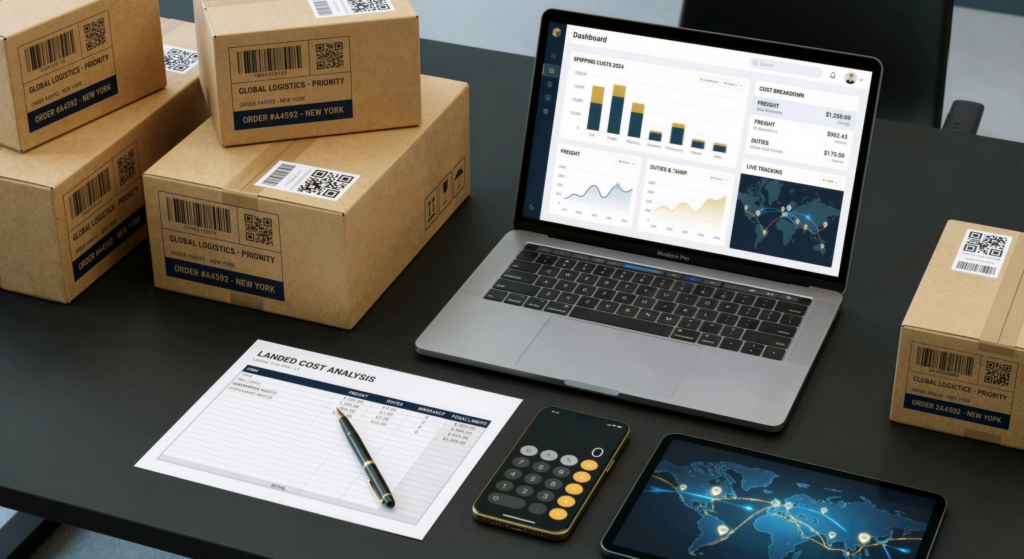
Freight & routing: sea or air, pallets, cartons, labels.
Paper sourcing: local suppliers reduce costs and lead times.
Landed cost: factor in duties, taxes, insurance, handling to avoid surprises.
Outcome – worksheet comparing landed costs for publishers.
Place Purchase Orders: Lock purchase orders and delivery windows.
Track Raw Material: Track incoming paper & cover lots.
Monitor Printing: Monitor press approvals and binding QC.
Comply Dispatch: Verify counts, carton marks, and dispatch documentation.
Outcome – Finished Bibles and Christian literature delivered to
Specification—on cost, on time, with a clean audit trail.
—delivering the right ministrymaterials for bigger impact